Interpretation and Use Contexts of the PMA Portal Framework
Disclaimer: This page is an independent educational resource and is not affiliated with or operated by any official organization or service.
Introduction
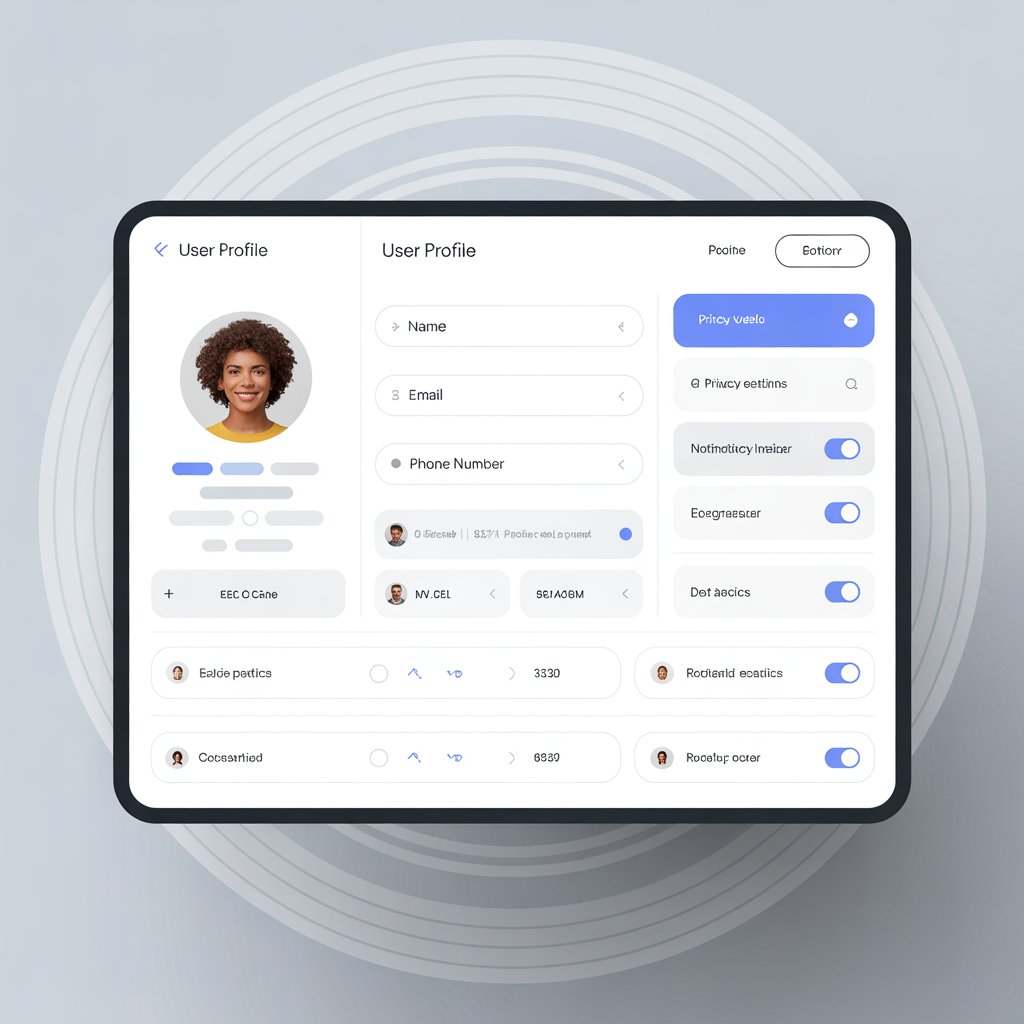
The pma portal serves as a conceptual model for understanding how digital self-service systems organize profile management, service management, and resource portal structures within professional networks. Rather than describing operational processes, this article explores how such frameworks are interpreted and applied in informational contexts. The pma portal concept illustrates how digital services environments can maintain structured data alignment across diverse organizational roles.
PMA Portal as a Governance Model
Within professional ecosystems, a pma portal can be interpreted as a governance structure that aligns digital services with administrative standards.
Key governance attributes include:
- Defined data ownership boundaries
- Structured profile management controls
- Categorized member services modules
- Segmented resource portal documentation
This model supports transparent data organization without centralizing operational authority in a single interface.
Educational Context of the PMA Portal
In educational and analytical discussions, the pma portal is often used to illustrate:
- Modular system design
- Hierarchical content segmentation
- Metadata-based organization
- Service management alignment principles
These characteristics make the framework suitable for understanding structured digital environments.
PMA Portal in Networked Professional Systems
Professional networks frequently rely on digital services infrastructures that resemble the pma portal structure. Common interpretative themes include:
- Separation of identity records from service references
- Controlled visibility of administrative data
- Centralized resource portal indexing
- Standardized classification models
Such patterns enhance structural clarity across distributed participants.
High-Level Application Scenarios
At a descriptive level, the pma portal framework may be referenced in discussions about:
- Organizational digital transformation
- Structured information governance
- Self-service system architecture
- Digital record alignment practices
These contexts focus on conceptual organization rather than procedural execution.
Conclusion
The pma portal represents a structured approach to organizing profile management, digital services, member services, and resource portal documentation within professional networks. As a conceptual framework, it highlights hierarchical segmentation, service management alignment, and controlled administrative data classification. This informational overview provides educational insight into digital self-service architecture without implying operational functionality.